

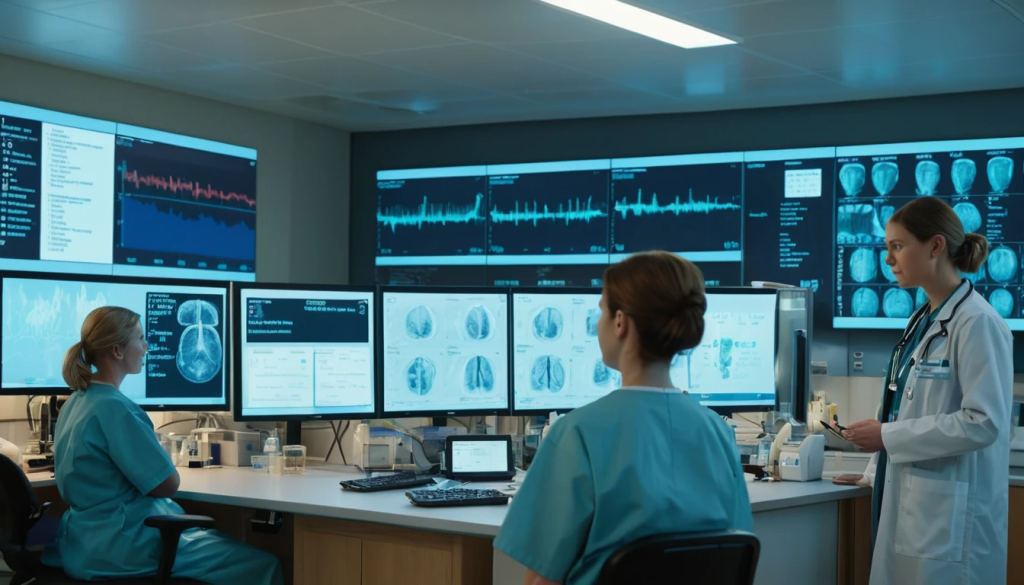
There is a too much crowded NHS hospital in Manchester, it was 6:30 AM. Already, the emergency department was over flowed.Dr. Emily glanced at her screen .Dozens of patients waited for the test results that was pending by the Staff.
But something had changed recently. Patient records were automatically organized by a new AI-powered system, which also made predictions about who will require urgent care and even recommended treatment priorities. The mayhem felt under control for the first time in months.
This is the NHS’s secret power: information technology (IT) and artificial intelligence (AI) that was operated in the background to make healthcare more efficient, intelligent, and human than before.
The Pressure on the NHS:
The UK’s National Health Service (NHS) faces constant pressure in terms of increasing patient numbers, aging populations, and the shortage of Staff.
Doctors and nurses spend hours due to work load .Both of them perform duties of admin work like filling of forms, search the files, schedule the patient checkup. If all the paperwork formality just handled by AI that would lead doctors free to do what they do best care for people.
Well, that’s finally becoming real, thanks to the power of AI and smart IT systems
How AI and IT Are Powering Faster NHS Services?

- AI in Diagnosis
In London, the NHS uses AI tools to read X-rays and MRI scans. These systems can detect early signs of different diseases like cancer, heart problem, or fractures on different parts of body within seconds that would lead to faster than human experts.
For example, Moorfields Eye Hospital partnered with Google DeepMind to create an AI that can diagnose over 50 eye diseases in record time. - Digital Patient Records
The formality of heavy paper work are gone .Through advanced IT systems, every NHS hospital now uses Electronic Health Records (EHRs) that are instantly available to any authorized doctor.
This saves hours of both doctor and nurse and the manual searching as well that would reduce medical errors. - AI in Emergency Departments
In hospitals across Birmingham and Leeds, AI systems quietly perform the duty of assistant for nurses behind the scenes. As patients describe their symptoms, the technology instantly analyzes the data that would helps staff in decision making of priority who needs care first.
The result leads to Shorter of waiting times, less stress in crowded wards, and faster treatment for those who need it most. - Smart Scheduling and Resource Management
AI-powered tools are now smart enough to predict how many patients will arrive and what kind of care they’ll need. They automatically help the hospital staff of the right doctors, nurses, and even operation rooms at the right time.
For example, when flu season starts, the system can sense the rise in cases before it even peaks that allow hospitals to prepare more staff and resources in advance.
Real-Life Example: AI in Action:
During the pandemic, NHS Digital act as machine learning to stay one step ahead of the crisis. These AI models tracked how infections were spreading and even predicted when intensive care units would start to fill up.
Thanks to the AI , hospitals were able to act early that arranging ventilators, scheduling of extra staff, and make sure no hospital ran out of lifesaving equipment.
Without the support of AI and IT, this kind of coordination might have taken days, or even weeks — time that could have cost lives.
IT Infrastructure: The Backbone of AI
While AI often steals the spotlight, it’s really the IT infrastructure that quiet work well behind the scenes that keeps everything running in a smooth way.
From cloud systems to cybersecurity and data sharing as well , this invisible network connects millions of NHS system from big hospitals to small local clinics so they can communicate instantly and securely.
Every digital record, scan, and lab report travels safely through this smart web of technology, built to protect patient privacy that would make sure healthcare faster and more reliable for everyone.
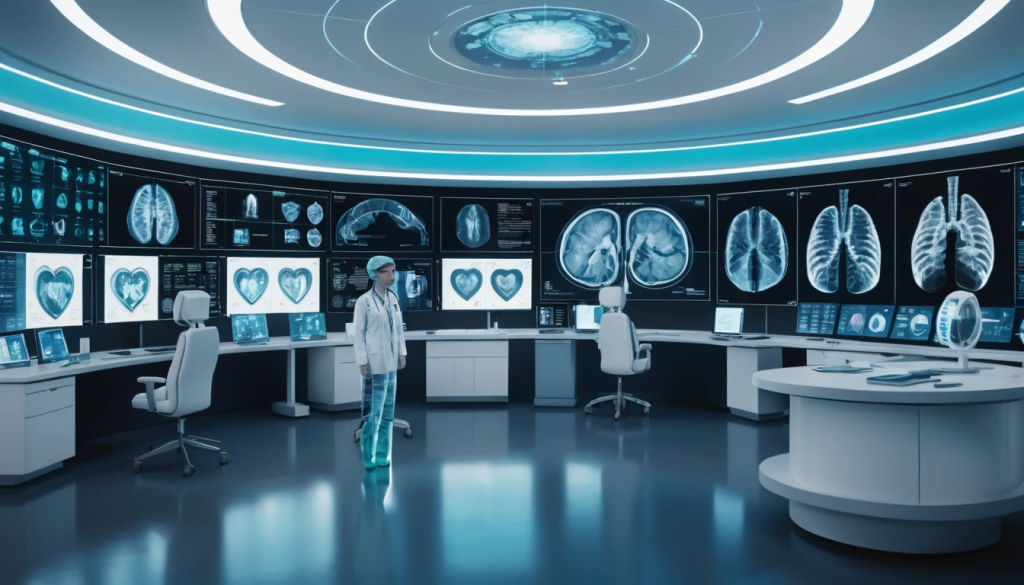
The Human Side of AI in Healthcare:
Some people fear that AI might replace doctors. The truth is that it won’t be replaced by AI.
AI is not replacing humans but it’s supporting them.
It gives more time to doctor for care that helps nurses to stay organized. That would mark satisfactory results for patients.
In one NHS pilot, AI handled appointment scheduling and data entry that saved the time for each nurse nearly 2 hours per shift. Those 2 hours went back to patient care.
The Future of the NHS:
Let’s Support:
- A patient walks into an NHS clinic.
- AI instantly checks their records, compares symptoms, and suggests possible diagnoses.
- The doctor confirms and prescribes treatment within minutes.
This is not science fiction because it’s already happen in several NHS hospitals.
And as AI and IT continue parallel, healthcare will only become faster, safer, and more personalized.
Final Thoughts:
AI and IT are the invisible hands behind the NHS revolution. They don’t just make hospitals more efficient and make sure the care more human by giving doctors and nurses time to focus on what truly matters for the patients.
In the coming years, the combination of Artificial Intelligence and advanced IT systems will revolutionize of a new kind of healthcare that is not just digital, but deeply compassionate.











Leave a Reply