


It was a time of 8:45 a.m., in a London tech office.
Amir who is a senior IT engineer walked into office. He was expecting the usual chaos of work. Due to busy routine, he had unread messages, bug reports, and a pile of unread Slack threads.
But today was different.
A friendly voice greeted him through his headset:
“Good morning, Amir! I’ve already checked your overnight server logs . There was no critical issues found. Would you like me to summarize your team’s tasks for today?”
That wasn’t his assistant. It was an AI-powered communication tool that had just turned lines of code and scattered updates into a smooth, human-like conversation.
That very time , Amir realized something big in AI. AI isn’t just changing what IT teams build, it’s changing how they talk.
The Old Way: Lost in Translation
For years, IT teams have relied on complex systems like confusing code, heavy dashboards, long reports filled with technical jargon that only a few could understand.
A single miscommunication could leads to delay an entire project.
But now, things are changing.AI is turning code into clear, human conversation and eradicate the gap between developers, managers, and non-technical staff as well.
Take tools like Microsoft Copilot and Google Gemini for Workspace. These tools can instantly translate technical data into plain English. Instead of scrolling through pages of error logs, IT leaders can simply ask
“What was the caused of yesterday’s downtime?”
And got a clear, accurate answer without writing a single line of code.
AI Chatbots: The New Team Members

Today’s IT departments are using AI chatbots that go far beyond answering simple FAQs.
These smart assistants can monitor entire systems, spot bugs, and even suggest fixes — all through natural, conversational messages.
For example, AI assistant can automatically summarize bug reports, tag the right team members, and even walk you through step-by-step solutions.
It’s like a digital teammate. Not only sleepless but also always alert and ready to help.
These bots don’t just talk . They just have to listen, learn and respond just like humans.
This change is making IT communication feel more natural , faster, easier, and more human than ever before.
Breaking the Barriers Between Teams
In many UK companies, the real challenge isn’t the technology . it’s the communication between tech teams and everyone else.
That’s where AI steps in as a bridge.
Tools like ChatGPT Enterprise, Notion AI, and Zoom AI Companion are helping managers in understanding complex updates without needing to speak “tech language.”
Now, they can simply ask They can simply ask, “What progress did the cybersecurity team make this week?”
Then, AI gives a short, clear summary . There is no complex terms, no confusion.
This helps people to stay on the same page, make decisions faster, and work together more smoothly.
The Emotional Side of Tech

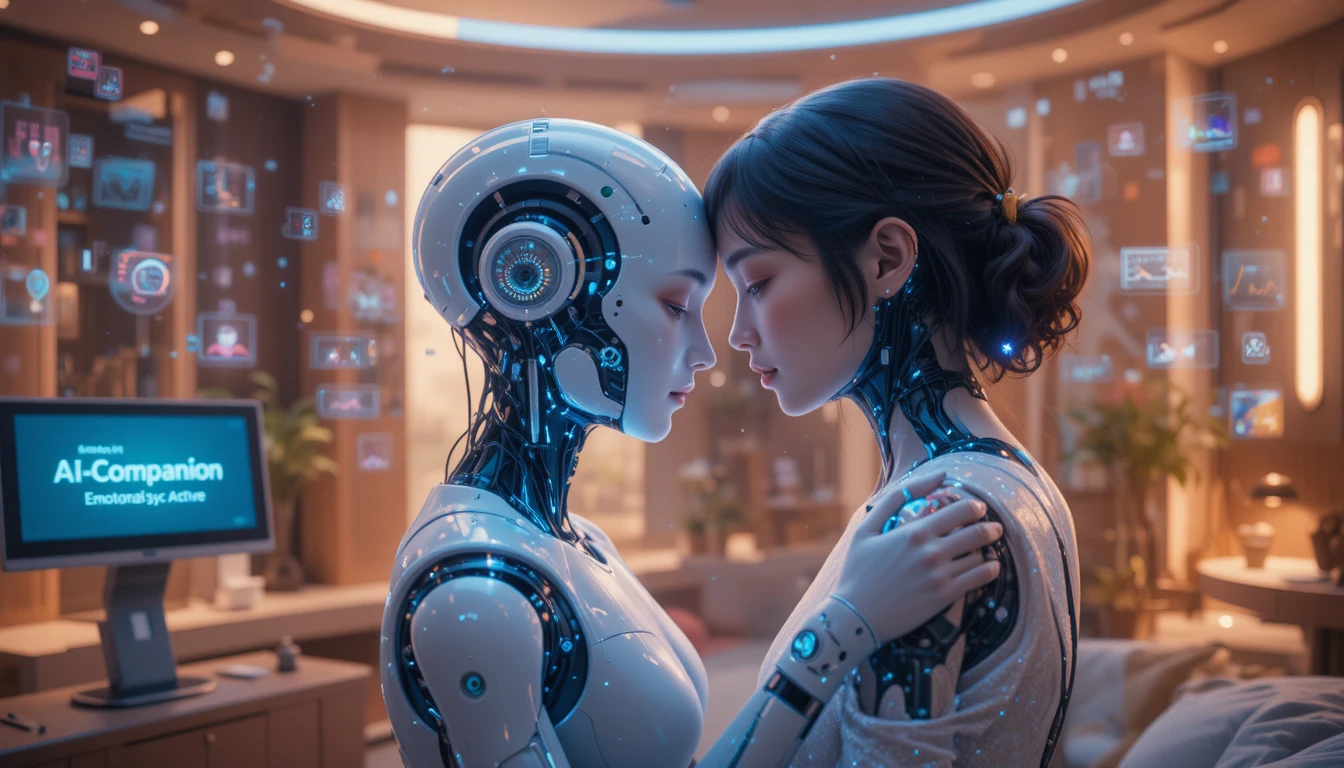
You might think AI communication feels cold and robotic — but in reality it’s making IT work more human than ever.
Instead of spending hours in understanding complex technical messages, IT teams spent more time to connect, share ideas, and find creative solutions together.
Some companies are now using AI tools that can have the emotional tone in messages and predict early signs of stress or burnout in team chats.
AI isn’t replacing people — it’s simply helping them communicate with each other in a more natural and human way.
A Glimpse into the Future
Imagine an AI that not only fixes bugs but also explains what it did in simple, clear language.
A system that featured AI can join your meetings, summarize key points, and even assign IT tasks automatically based on the discussion.
That future isn’t far away , it’s already happening.
From small startups in Manchester to global companies in London, AI is quietly changing the way of IT teams communication .
Final Thoughts
From code to conversation, AI is turning IT communication into something more human — smarter, faster, and easier to understand.
Not only, AI just writing about flawless code but also it’s about creating real connections between people and technology.
Amir smiled while he sip the coffee because he could not do anything.
No stress, no confusion — just calm and clarity.
And all it took was a little bit of artificial intelligence speaking the most powerful language of all — the language of teamwork.










Leave a Reply