

One cold morning in London , When Emma woke up .she didn’t need to make coffee or check her phone.
Her smart home had already one step ahead for her .As her alarm went off ,the lights turned on softly . Her coffee machine started to make her favorite cup .The fridge sent her a gentle reminder that “You’re almost out of milk .”Downstairs , the thermostat had already adjusted to 21°C , and the front door had unlocked . Her car was already heating up for the drive .It may sounds like a magic but it’s real .
It’s the perfect example of how Artificial Intelligence (AI) and Information Technology (IT) , work together to make everyday life into something simpler , safer , and smarter .
From Simple Devices to Smart Ecosystems
Just a few years ago , “smart homes” meant asking Alexa to play music or turn on a light .
But in 2025 , they have evolved into completely different world .
Every device , from your Wi-Fi router to your refrigerator , now communicates through intelligent IT networks that is powered by AI .
Not only they don’t just respond to your commands but also they learn from your behavior and adapt over time .
For example:
- Your Wi-Fi now knows when you’re on an important video call and automatically gives extra speed to your connection so nothing lags or freezes .
- Your smart fridge suggests recipes that would based on what’s inside .
- Your security cameras are enough to difference between your pet and an intruder so you don’t get false alerts .
AI and IT work together to create homes that learn your routine and take care of things for you that makes everyday life easier and stress-free .
The Invisible Technology Behind It All
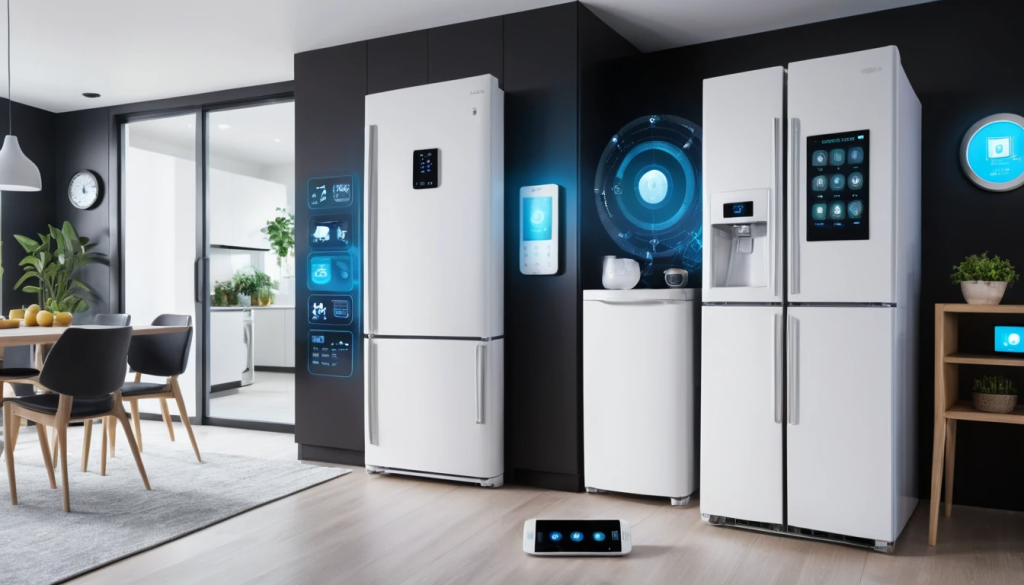
At the heart of every smart home lies IT infrastructure like cloud servers , data storage , and networks that connect everything .
AI acts as the brain . IT works like the body’s nervous system that quietly connects everything regarding IT and make sure all devices communicate smoothly with each other .
Let’s break it down:
- Wi-Fi and IoT Connectivity:
Every smart device like lights , sensors , or speakers that connects to the internet through Wi-Fi and IoT (Internet of Things) .
Modern routers powered by AI manage data traffic automatically that keeps your connection fast and stable . - AI Decision-Making:
AI pays attention to little things in your daily routine like when you turn on the lights , What temperature feels comfortable , and what time you leave for work . - Cloud Computing and Data Security:
All this information is processed in real-time through cloud platforms like Amazon Alexa Cloud or Google Home Services that is secured by encryption and AI-based threat detection .
Together , these systems create a connected network form a living network that learns from you and gets smarter with every interaction .
Real-World Examples of Smart AI + IT Integration
- Amazon Alexa & SmartThings:
Alexa doesn’t just follow orders , it can anticipate what you need . If you say “Good night “ and it will lock the doors , dim the thermostat , and turn off the lights automatically . - Google Nest:
Nest learns your daily routine . If you leave home at 8 AM , it turns off appliances and adjusts the temperature to save energy . - Ring Security Systems:
AI-powered cameras recognize familiar faces and vehicles that reduced false alarms and ensure real-time security updates . - LG Smart Fridges:
These smart fridges use internal cameras and AI to keep an eye on expiration dates that make shopping lists . - Every device isn’t working alone , they all connect to form a smart network that make your home feel like it understands what you need .
The Benefits of AI + IT Smart Homes
- Convenience: Automate your daily routines from lighting to temperature with zero effort .
- Energy Efficiency: Smart thermostats and lighting systems save energy by learning your habits .
- Enhanced Security: AI-powered cameras and smart locks protect your home 24/7 .
- Cost Savings: Reduced energy consumption means lower bills and smarter maintenance avoids expensive repairs .
In short , AI and IT turn your home into a place that works for you , not just with you .
The Future: Smarter , Safer , and More Connected
In the next few years , smart homes will move beyond individual devices .
Imagine your home that understand your mood through facial recognition or adjust lights based on your stress level .
AI will predict when an appliance might break down and book a repair before it fails .
Your Wi-Fi will prioritize safety updates and automatically strengthen security if it senses a breach .
Smart homes won’t just be convenient but they’ll be intuitive .
Conclusion
Back in her kitchen , Emma took a sip of her perfectly brewed coffee and smiled .
Not only her home connected but also it was intelligent , caring , and responsive .
From her fridge to her Wi-Fi , every system worked together in harmony that is powered by invisible layers of AI and IT .
The future of living isn’t just digital but it’s personalized , predictive , and peaceful .
And it’s already at your doorstep for your help .










Leave a Reply